

Love at the Door: How Salvation Army pantry serves neighbors
April 14, 2026
A simple sign above the door at the Dover Salvation Army reads, “Love One Another.” It’s more than a message—it’s a mission. Inside this modest building, that principle comes to life every single day through food, compassion, and human connection.
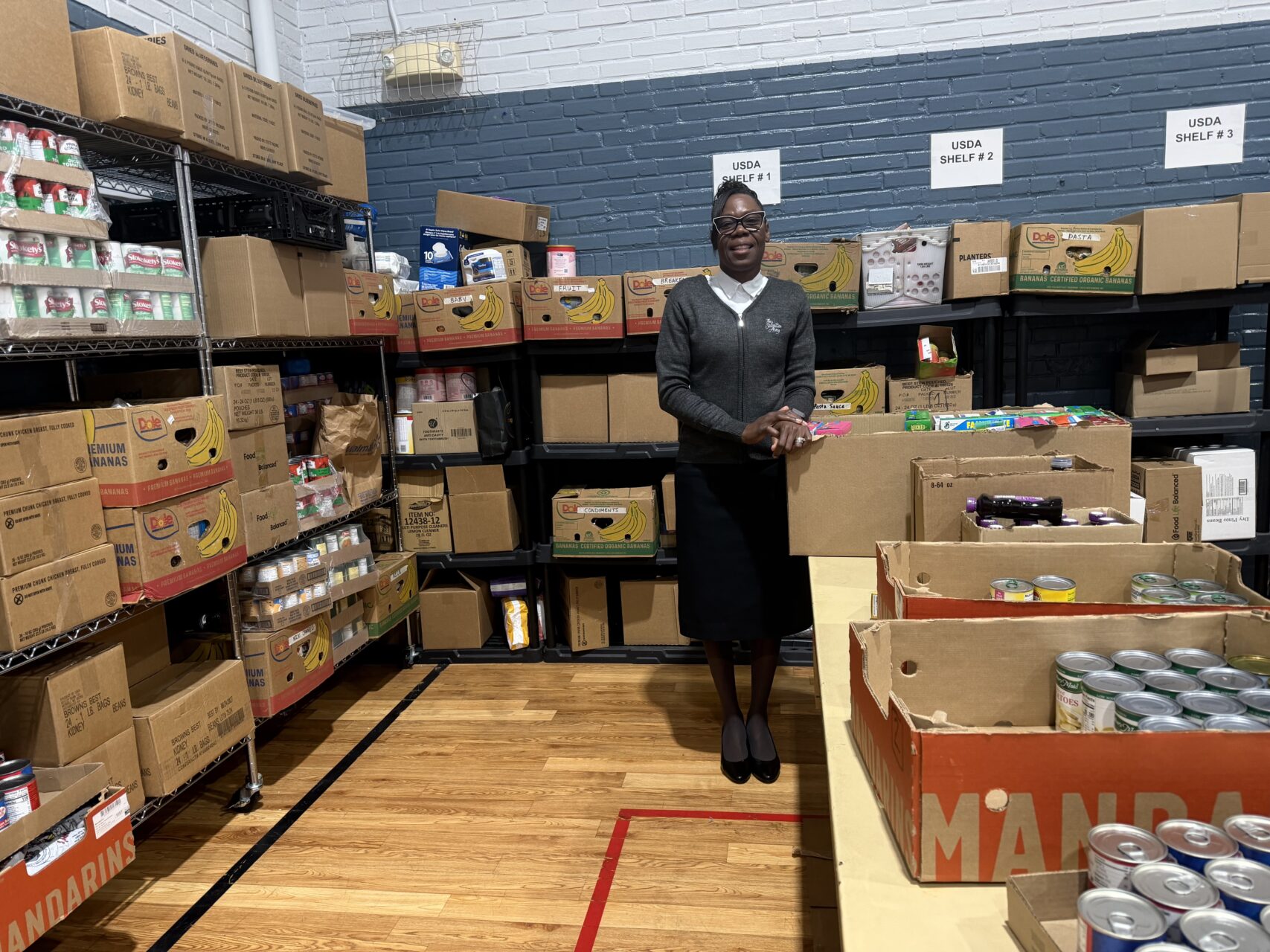
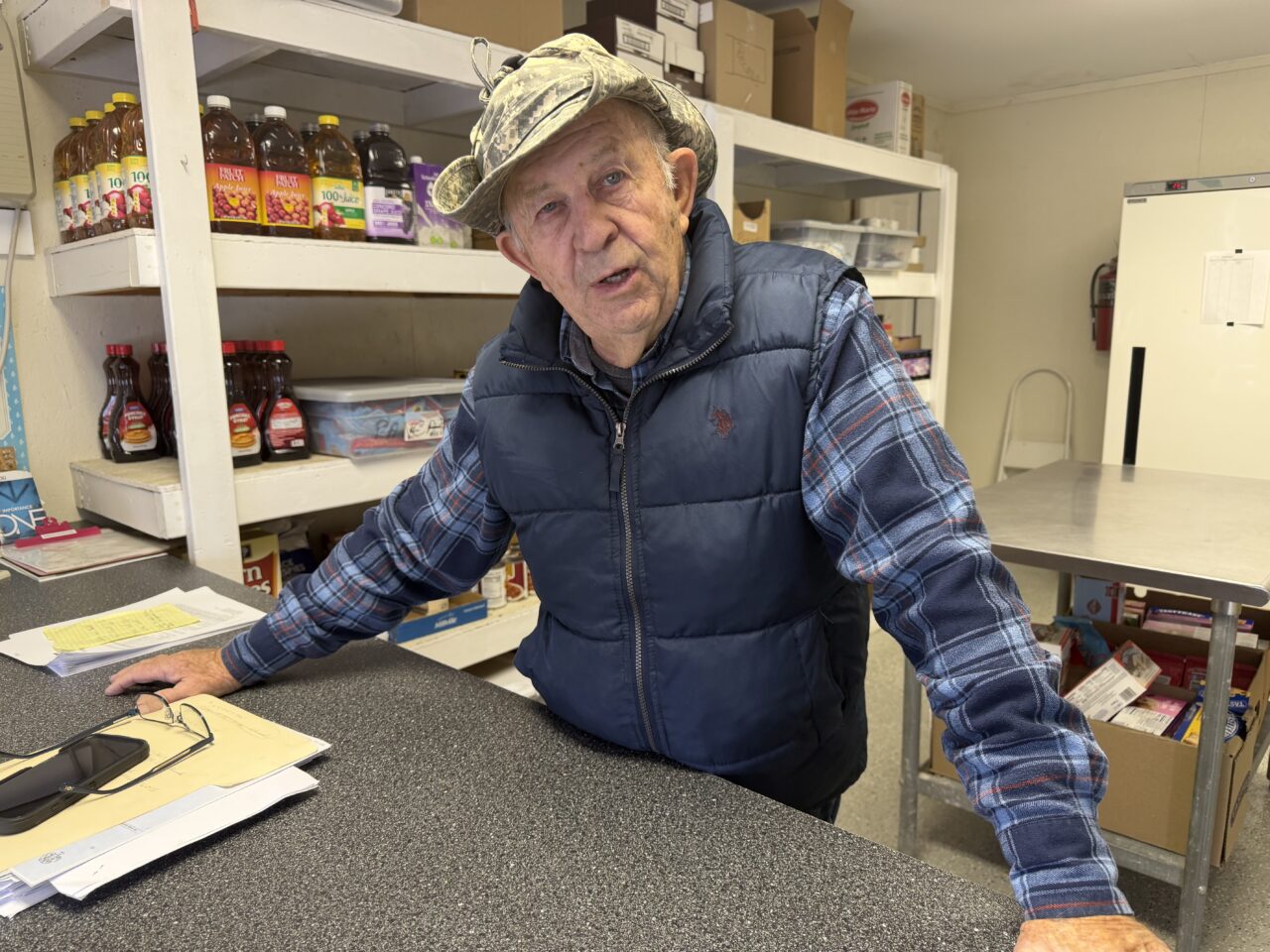
As one of the Food Bank of Delaware’s more than 200 pantry partners, the Dover Salvation Army provides essential food support to neighbors in need. Each week, cars wind through the horseshoe-shaped driveway as staff and dedicated volunteers distribute groceries to families facing hunger. But what happens here goes far beyond a typical food pantry.
Corps Officer Capt. Ardrine Montour describes the Salvation Army as both a 50-year-old neighborhood landmark and a place of refuge. Located in a busy and often challenging part of the city, it serves not only as a pantry, but also as a church and a hub for crisis support.
At the heart of that effort is Michelle, the organization’s sole social services worker. Her days are filled with back-to-back appointments, listening to neighbors share their struggles—stories often rooted in financial hardship, housing instability, or rising utility costs. While funding limitations mean not every problem can be fully solved, Michelle focuses on what can be done.
“We solve whatever is actionable — what we can,” she explains. “A Band-Aid® does make a difference. We listen, and we let them tell their story.”
Sometimes that means connecting someone to resources like Medicaid. Other times, it means acknowledging that deeper challenges—like affordable housing—will persist. But even in those moments, being heard matters.
One of the most consistent stressors Michelle sees is food insecurity. “It runs out, right?” she says. That recurring uncertainty weighs heavily on families. That’s why the pantry, located near the gymnasium’s back door, plays such a vital role.
“The pantry gives them food. It’s a ministry,” Michelle says. “People are happy to chat with us. It’s about the amount of love we put into it. The ultimate purpose is God’s love. Everybody is so grateful.”
Fridays are especially busy—what Michelle calls an “all hands-on deck” operation. There’s no pre-registration required, making it accessible to anyone in need. Some regulars pick up pre-packed boxes, while others bring bags to fill with available items. On average, the pantry serves between 30 and 60 families each week, representing a wide range of ages—from infants to seniors.
The needs are just as diverse. Along with food, families often request diapers, infant formula, hygiene items, and cleaning supplies. These essentials aren’t always in stock, as the pantry relies heavily on donations alongside food sourced from the Food Bank.
Space constraints add another layer of challenge. The current building is too small to support a choice-model pantry, limiting how food is distributed. It also makes it harder to fully meet the needs of certain groups, including individuals experiencing homelessness.
“We try to serve them with things they can use,” Capt. Montour says.
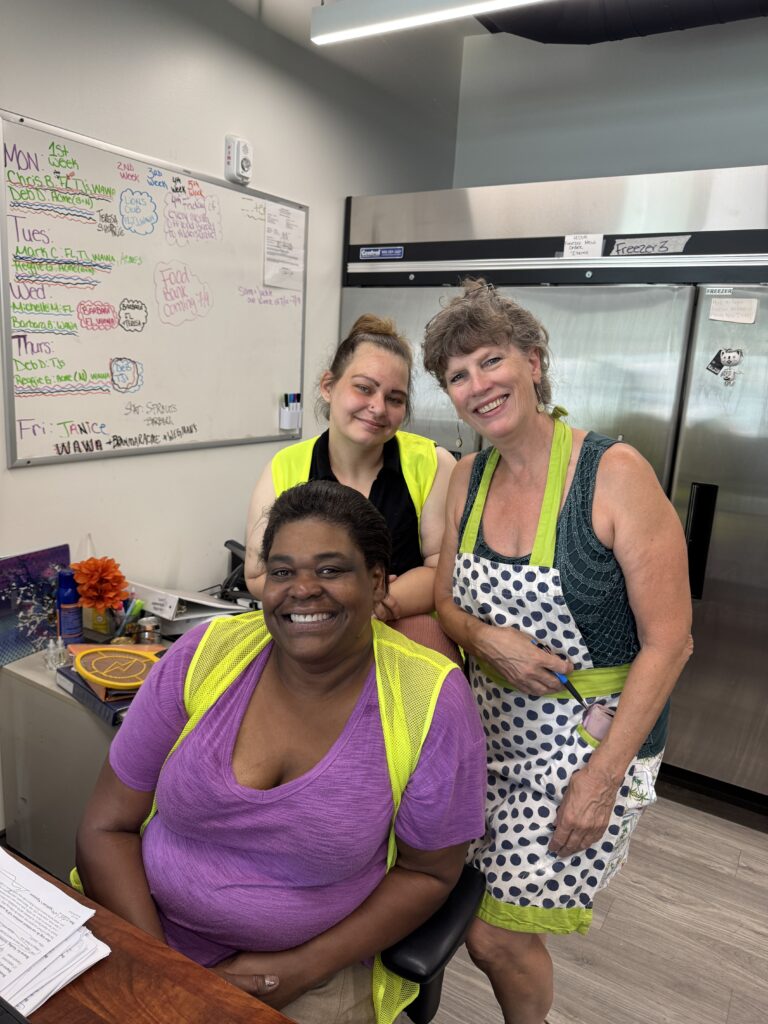
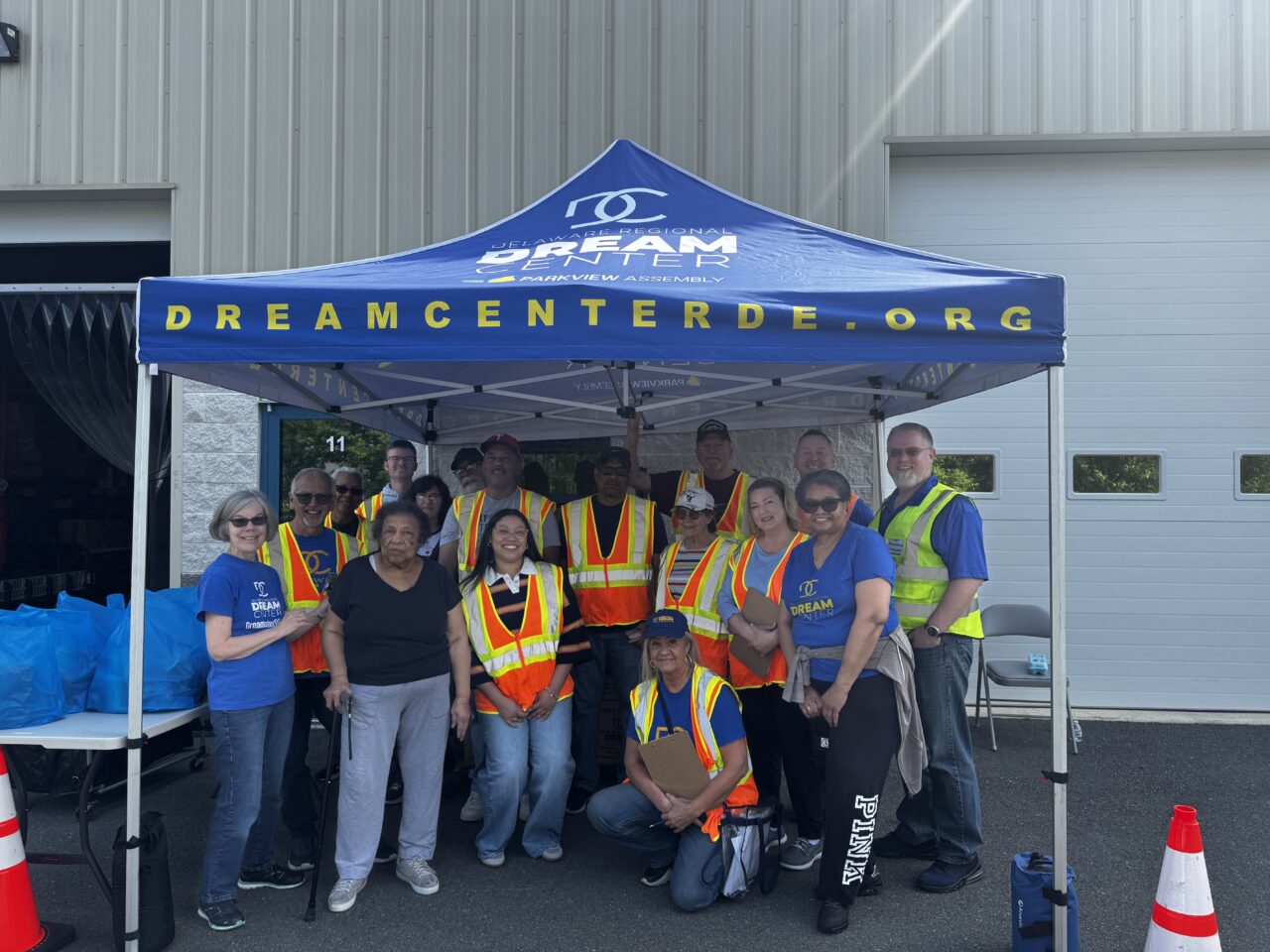
Despite these obstacles, the spirit of the place remains strong—thanks in large part to its volunteers. Week after week, they show up to ensure operations run smoothly, offering not just help, but heart.
Looking ahead, Capt. Montour hopes for something more: a new building that could expand services and deepen community impact. She envisions space for a music program, a functional gym, a dedicated pantry area, and rooms for hosting Thanksgiving and Christmas meals.
“We will see if God can help us,” she says with quiet optimism.
On non-pantry days, the work continues in a different form. Neighbors arrive by appointment and are welcomed into an environment that feels personal and warm.
“We know people by their first name,” Capt. Montour says. “They are greeted warmly, feel welcomed. We know that each neighbor is dealing with mental stress. We are happy to serve and trying to connect as humans.”
Because hunger is rarely the only burden people carry. It’s one piece of a much larger picture—one that includes financial strain, emotional stress, and the challenges of living in uncertain times.
“We are living in unprecedented times,” Michelle reflects. “People who come here are marginalized to begin with.”
And yet, through it all, the message on the door holds true.
Love one another.
Inside the Dover Salvation Army, that’s exactly what they do.
Comments are closed here.