

Partner Spotlight: Phoenix Family Resource Center
March 2, 2026
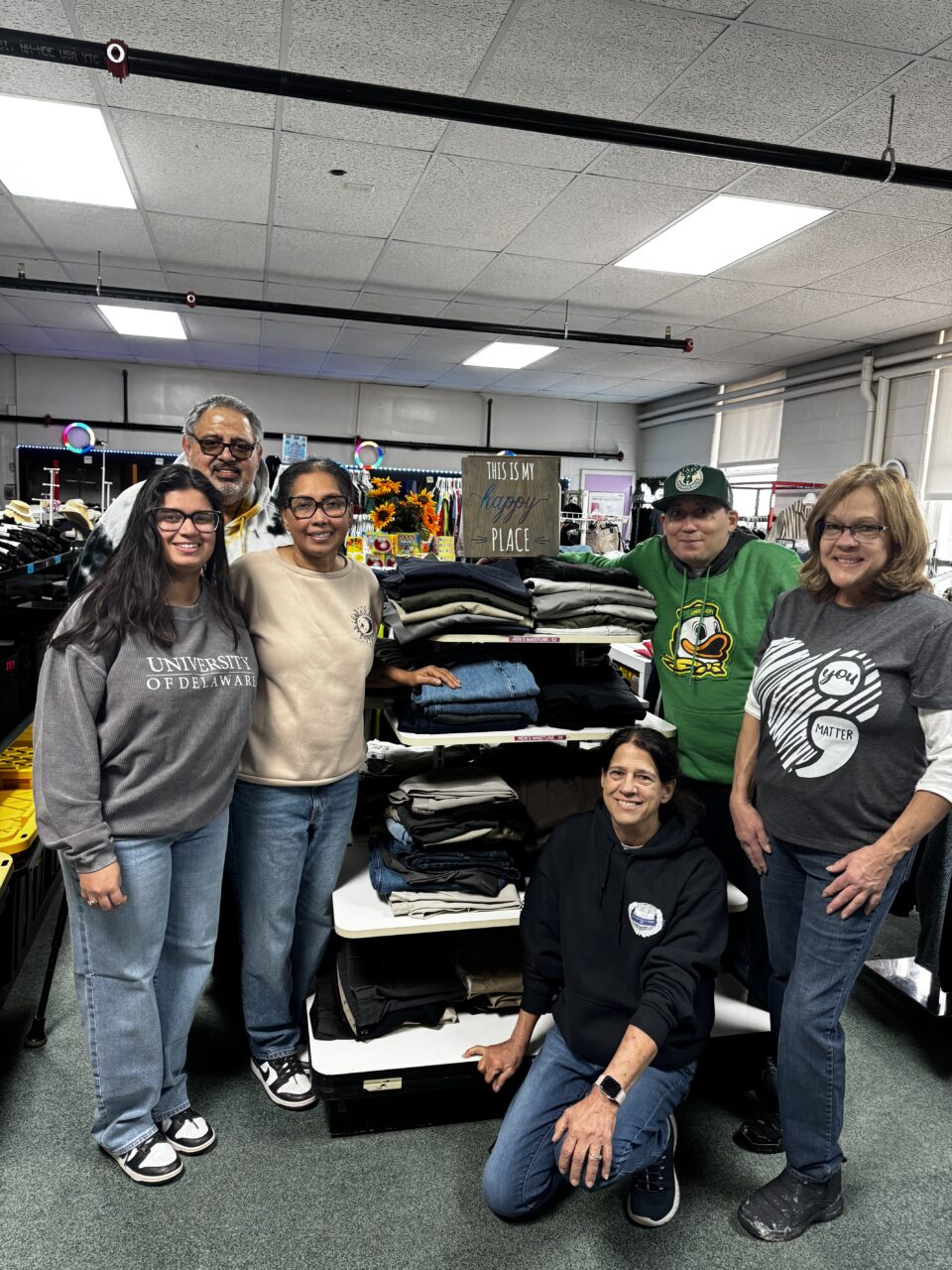
Walk through the doors of the Phoenix Family Resource Center in New Castle, and you’ll immediately feel it… this isn’t just a place to pick up food or clothing. It’s a place built on dignity, partnership and second chances.
At the center of it all is Executive Director Babita Jagnanan, a self-described environmentalist-turned-humanitarian whose journey began with clothing bins and grew into a full-scale community resource hub serving dozens of families every single day.
The Phoenix Family Resource Center grew out of Babita’s original initiative, Phoenix Used Clothing. After spending more than 20 years in the textile recycling industry, she decided to launch her own collection effort in 2019.
Today, Phoenix operates 56 clothing bins across the community, diverting millions of pounds of textiles from landfills.
In just one year, the center distributed over 660,000 pieces of clothing locally. Environmental sustainability was the starting point — but the humanitarian need quickly followed. “Environmentalists first. And the people and the need came after,” she explains.
And now, the two missions coexist.
What began as clothing distribution has expanded to everyday essentials like food, hygiene products, diapers, period products, and more.
“We have a store model,” Babita explains. “Because when our clients come in, we want them to feel like they have the dignity to go about and just shop.”
And shop they do.
The Phoenix Family Resource Center operates just like a store. Visitors can shop twice a month for food and once a month for clothing. Shelves are neatly organized. Clothing is sorted by size. Shoes are displayed in cubbies.
Babita describes the services as a “hand up, it’s not a hand out.”
Each day, the center serves approximately 70 families during a three-hour window — and that number continues to grow.
The center’s central location and proximity to bus routes make it accessible to many, including individuals staying in nearby motels and those referred by partnering organizations.
About 80% of those served are individuals impacted by substance use disorder. The center integrates harm reduction, workforce development and basic needs support under one roof.
“We do a lot of harm reduction, because we work with a lot of people with substance use disorder,” Babita explained.
Narcan is available onsite, and peer support specialists in training complete their required 500 hours of service at the center, gaining hands-on experience while giving back.
One peer trainee shares, “I’ve been in recovery for 2 years… And I’m doing what I gotta do, and staying focused, and just giving back.”
Babita believes deeply in the peer-to-peer model, “Because we know people with lived experience are able to relate better than people without the experience.”
Peer support specialists who utilize the resource store on behalf of their clients are literally meeting Delawareans where they are… “under a bridge, in an encampment, on the side of a road, in a parking lot… wherever they are,” she explains.
The organization relies heavily on partnerships and grants, including opioid abatement funding and collaborations with health providers and recovery organizations. The Food Bank of Delaware serves as their primary food source.
“Without the food bank, we wouldn’t be able to stack our shelves with canned goods and dry pastas and stuff like that,” she points out.
The most urgent needs right now?
“Laundry detergent; that’s always a highly requested item,” Babita explains. And protein, especially shelf-stable protein, is one of the biggest gaps for neighbors who may not have access to refrigeration or cooking equipment.
“Proteins seem to be the number one challenge,” she says.
Looking ahead, Babita hopes to expand into a larger space and grow workforce development programming.
“In the end, we give them back the skills to go back and be a part of society and gainful employment,” she says.
To learn more about the Phoenix Family Resource Center, click here.


Comments are closed here.