

More Than a Kitchen: Finding Confidence, Connection, and Purpose
May 1, 2026
For many families, the hardest part of the COVID-19 pandemic wasn’t just the disruption—it was the isolation that followed.
For adults with special needs, routines disappeared almost overnight. Social circles shrank. Opportunities to connect, learn, and grow became limited or disappeared entirely. One parent described it simply: “just awful.”
Even now, years later, that impact still lingers.
But for some families, the Food Bank of Delaware’s Kitchen School has helped rebuild what was lost and offered something new in its place.
A Place to Connect
When Mike Loughery began looking into The Kitchen School, he thought it might help his daughter Emily brush up on her culinary skills.
Emily had already spent years in special education, attending Mt. Pleasant High School for as long as she could. Like many students in Delaware, she continued receiving services until age 21, then transitioned into adulthood with the support of the state’s Division of Vocational Rehabilitation. She even found work in the culinary field.
But something was missing.
“She wanted food service,” her father said. Not just a job—but a place where she could grow, stay engaged, and feel connected.
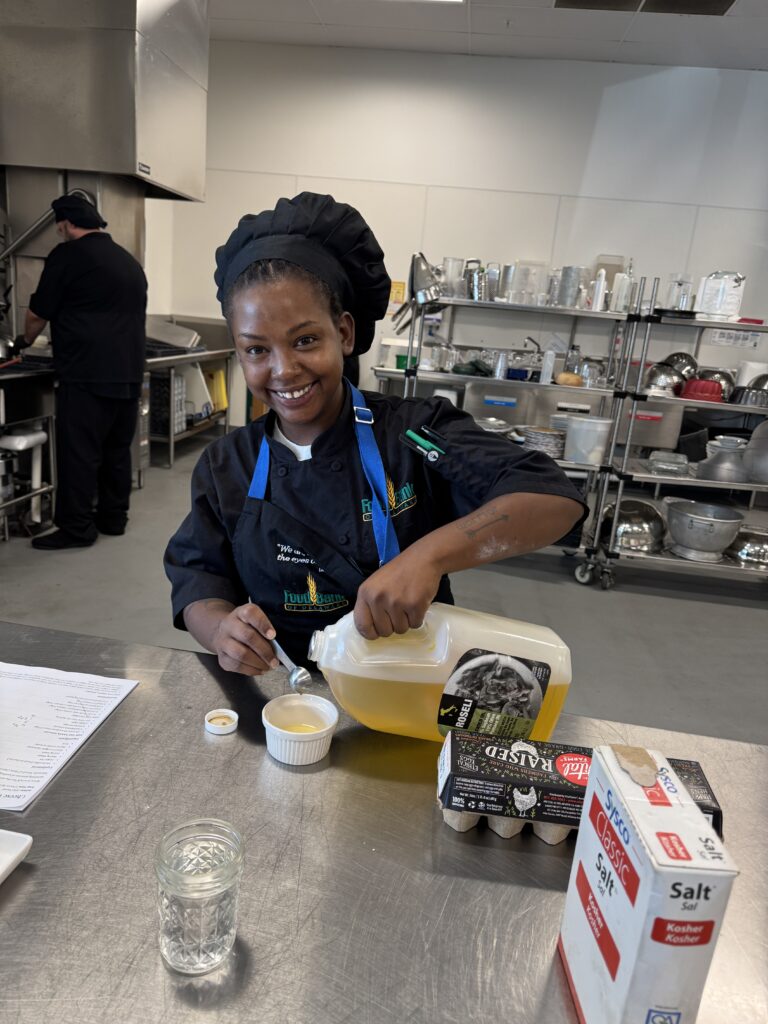
Through networking and a bit of research, Mike found The Kitchen School. On paper, it checked the right boxes: a 12-week workforce training program with classroom instruction and hands-on experience in a commercial kitchen.
But what Emily found there went far beyond training.
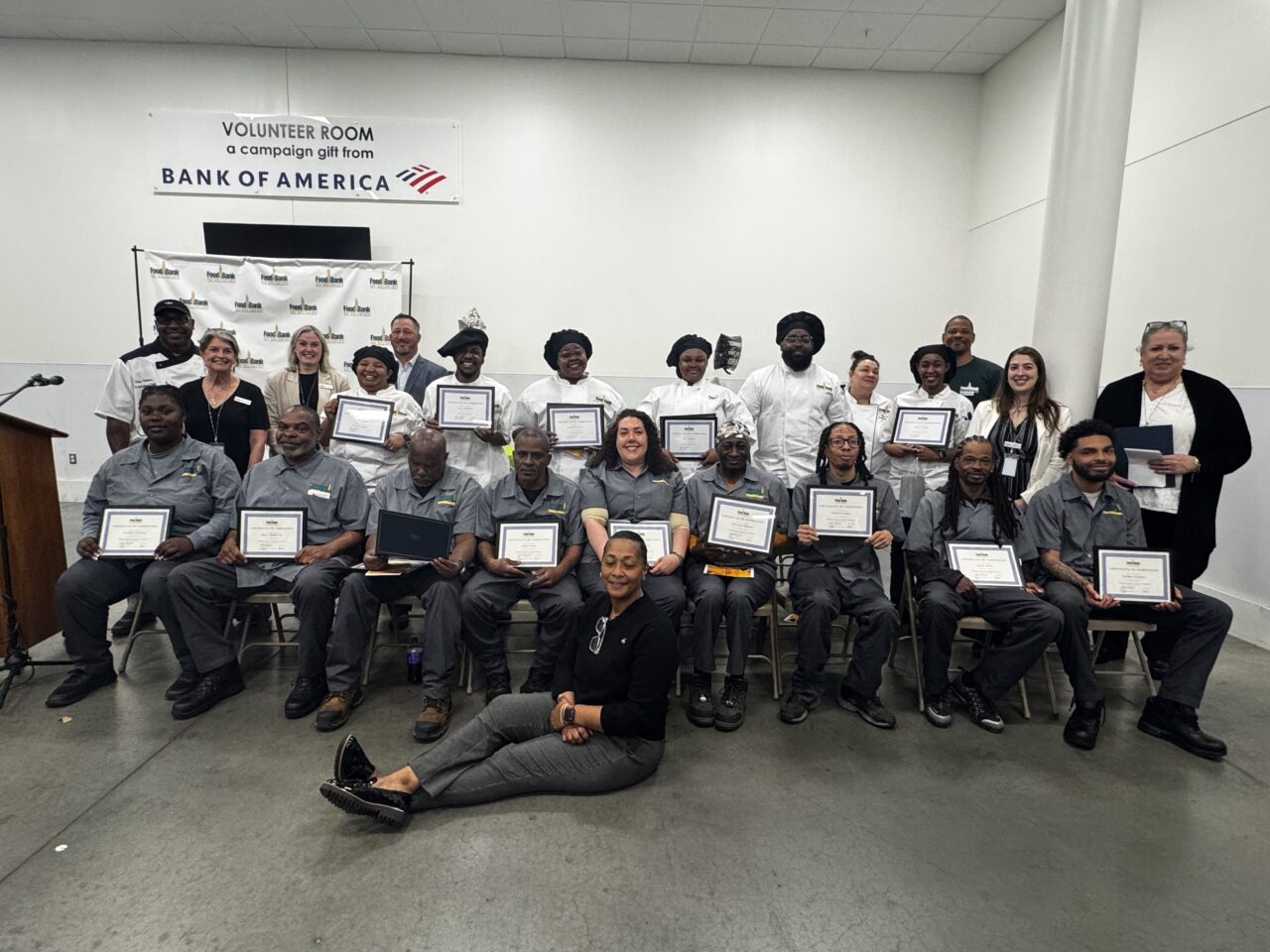
Our Specialized Training Program Director Tee Sanders explains the program extends beyond culinary training. “It’s a path toward independence. Yes, students want to be able to cook at home, to be employed, and earning a check, but independence is a mission of the Food Bank.”
“They really embraced her,” Mike said. “She was making friends—and making friendships is hard for her.”
Emily, who has high-functioning autism, flourished in an environment built on patience and encouragement. What might seem like small moments—chatting with classmates, working side by side in the kitchen—became meaningful steps forward.
Today, at 30 years old, Emily is working at Gilpin Hall with supported employment, continuing to build her skills and confidence. She stays active in her community, participates in Special Olympics, and is always looking for ways to keep growing.
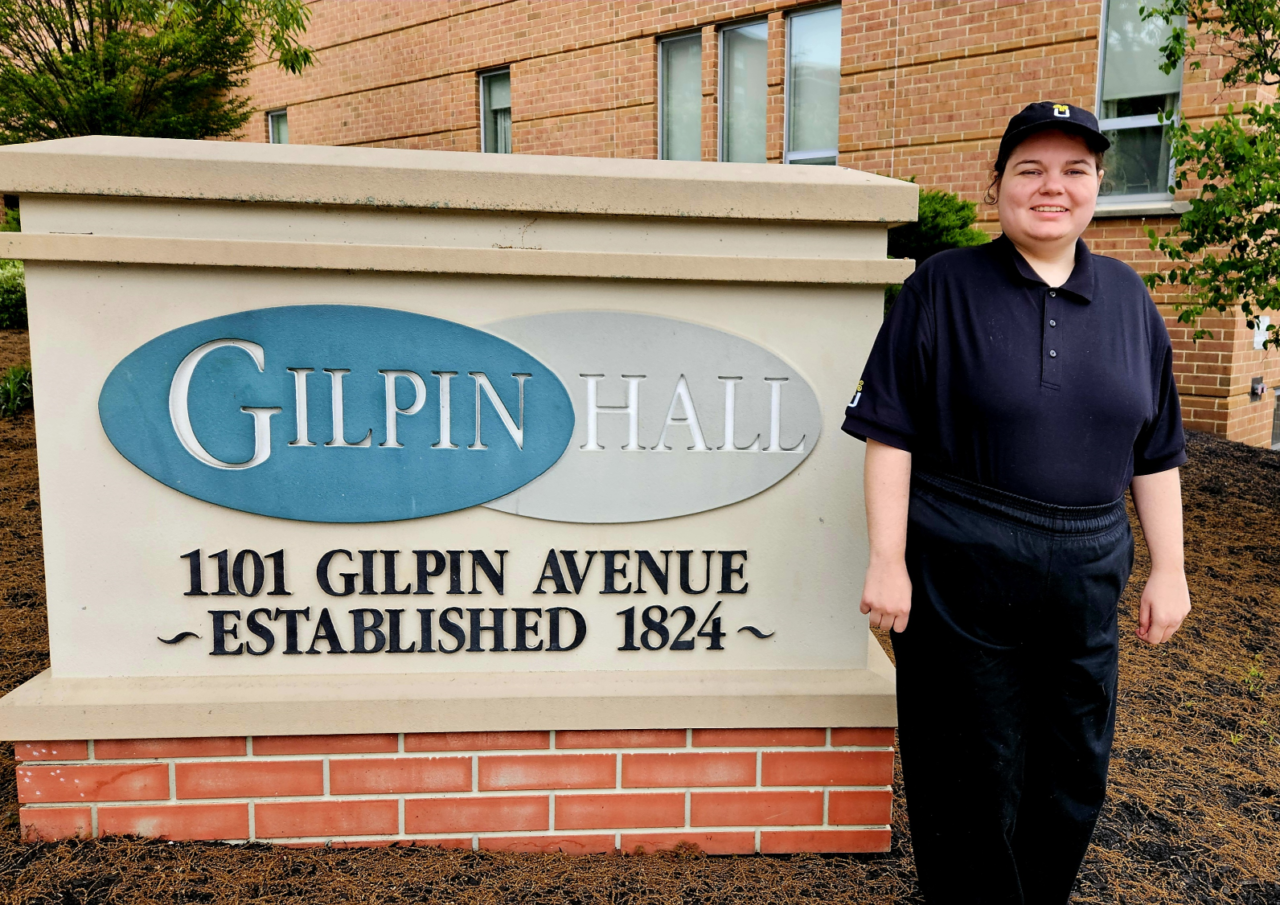
“If you don’t keep Emily engaged, she would self-withdraw,” her father said. “This gets her out and around people. That’s what matters.”
Different Journey, Same Destination
For Nathan and his family, the journey looked different—but led to the same place.
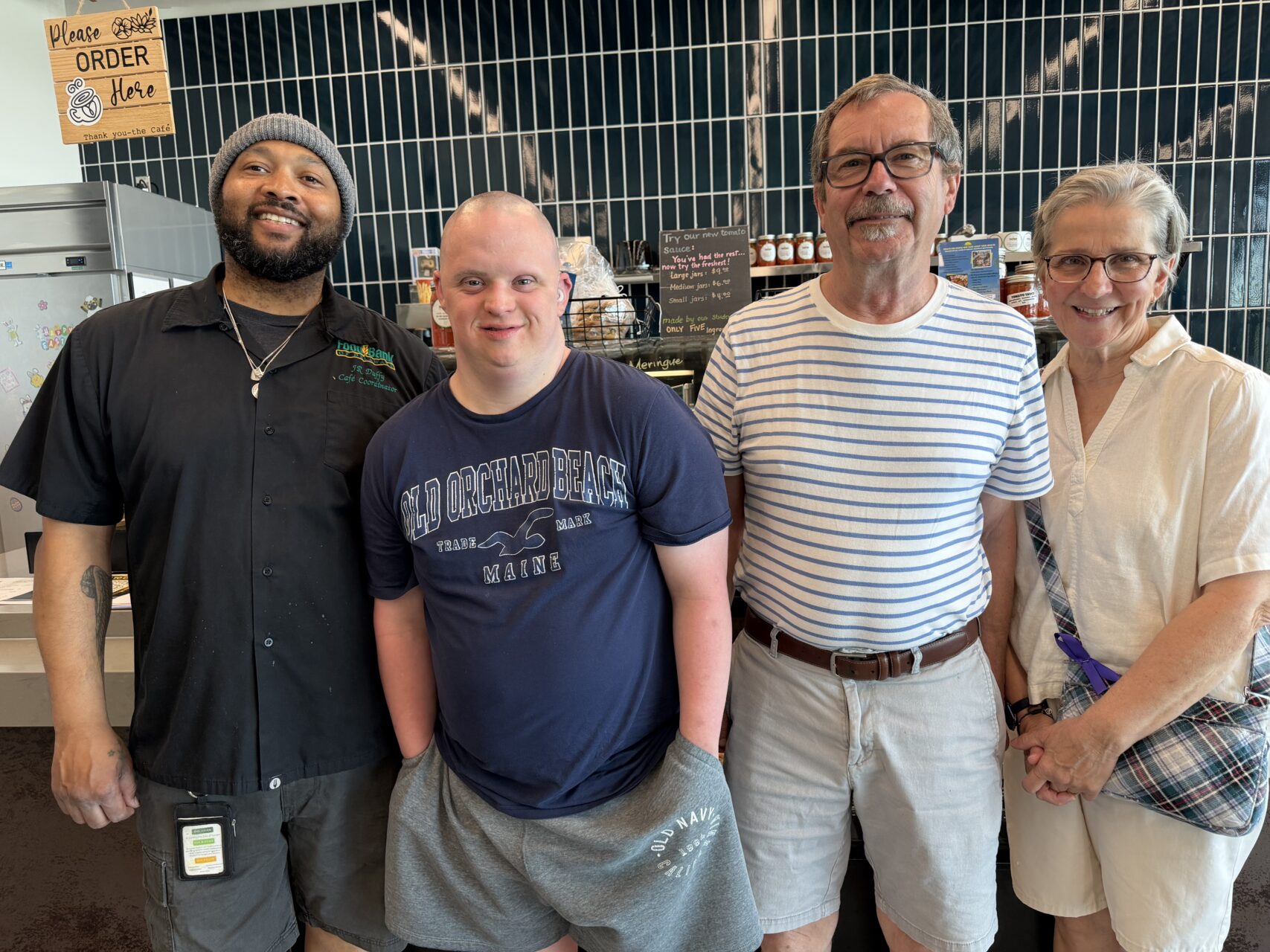
At the start of the pandemic, his parents, Grace and Gerry Longley, made a major decision: they moved from Maine to Delaware in search of better support and services for their son.
“We didn’t know where to look,” Grace said.
A referral from the Division of Vocational Rehabilitation eventually led them to The Kitchen School.
“The shoe fit,” Gerry said.
At the time, Nathan had become increasingly withdrawn. Like many, the isolation of the pandemic had taken a toll. He was quieter, less engaged, and less likely to interact with others.
That began to change during his time in the program.
“He came out of his shell,” Grace said.
Now, Nathan comes home and talks about his day—what he made, what he learned, and who he spent time with. For his parents, those conversations are something to celebrate.
In the kitchen, he found more than new recipes. He found confidence, routine, and connection.
Some of his favorite moments were simple but meaningful: making nacho fries and tater tot pizza, working alongside classmates, and sharing those experiences as part of a group.
Even the bus ride to school became part of the experience—another opportunity to talk, laugh, and form friendships.
“Everybody was awesome,” Gerry said. “And extremely organized.”
Personal and Practical Results
The impact of The Kitchen School doesn’t end when students leave for the day.
At home, Nathan’s parents have seen him begin to take on more responsibility—emptying the dishwasher, making his own snacks, and stepping more comfortably into daily routines. These small acts reflect something bigger: growing independence.
For Emily, that sense of structure and engagement continues through her work, supported by ongoing guidance that helps her succeed in a professional setting.
The program’s reach extends beyond the kitchen, into everyday life.
Each student who walks through the doors of The Kitchen School brings their own strengths, challenges, and goals. There is no single path forward—only the shared opportunity to build something meaningful.
What makes the difference, families say, is the environment.
“It was very welcoming,” Mike said. “They embraced individuals with special needs.”
For parents who have spent years advocating for their children, finding a place that truly understands—and supports—them is not something they take lightly.
“It’s heartwarming,” he added. “The way they help this population succeed—it comes from the top.”
Sanders observes that parents are often pleasantly surprised and inspired at the changes they see. “Cooking is a life skill, and parents want their children to be self-sufficient. That’s one of the primary impacts of the program. Parents notice changes at home, and they are surprise after graduation. Chefs say they [the students] must clean up the kitchen before they leave. Watching the parents, it’s interesting to see them realize what their student can do,” she said.
Today, both Emily and Nathan are moving forward in ways that once felt uncertain.
Emily continues to build her skills, her confidence, and her independence. Nathan is beginning to explore what comes next—whether that’s part-time work, volunteering, or new opportunities to stay engaged.
Their stories are different, but the outcome is the same: connection, growth, and a renewed sense of possibility.
Programs like The Kitchen School make that possible, offering more than training. They offer a place to belong, a chance to grow, and a path toward a fuller, more independent life. With continued support, more individuals like Emily and Nathan can find their place—and their future.
To learn more about The Kitchen School, click here.
Comments are closed here.