

Opinion: As Costs Rise, Delaware Families Feel the Strain
June 1, 2026
By Cathy Kanefsky, President and CEO, Food Bank of Delaware
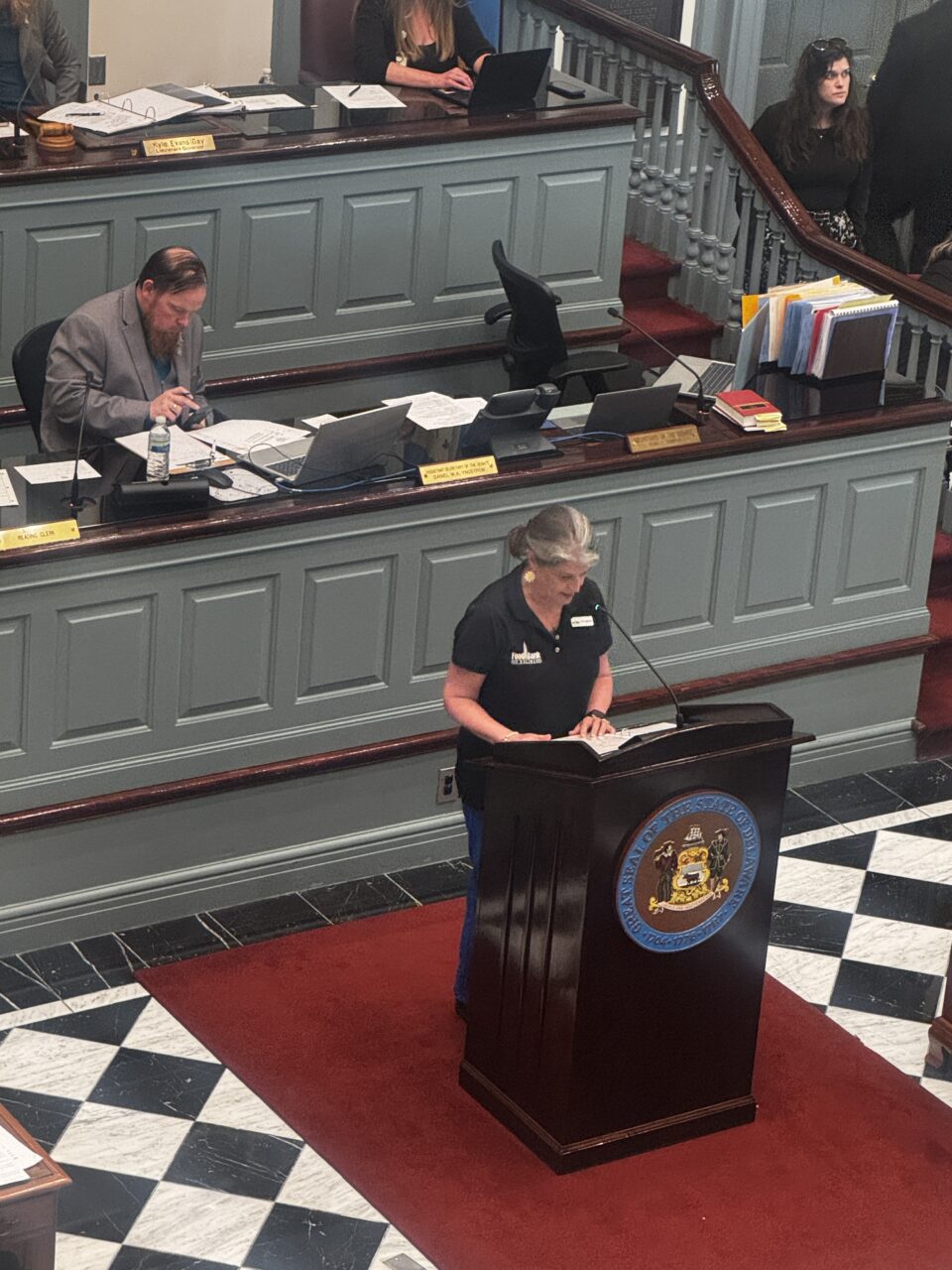
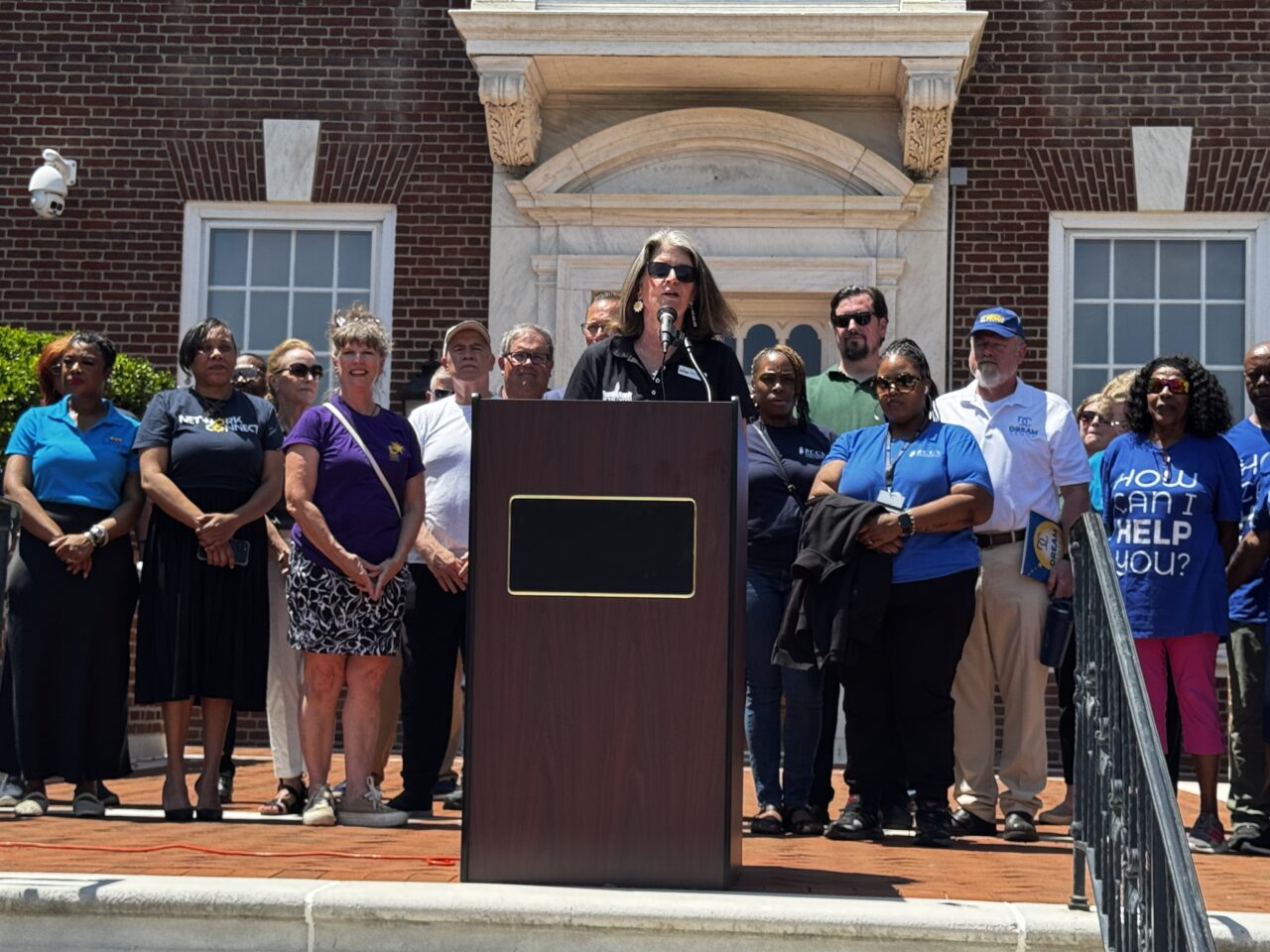
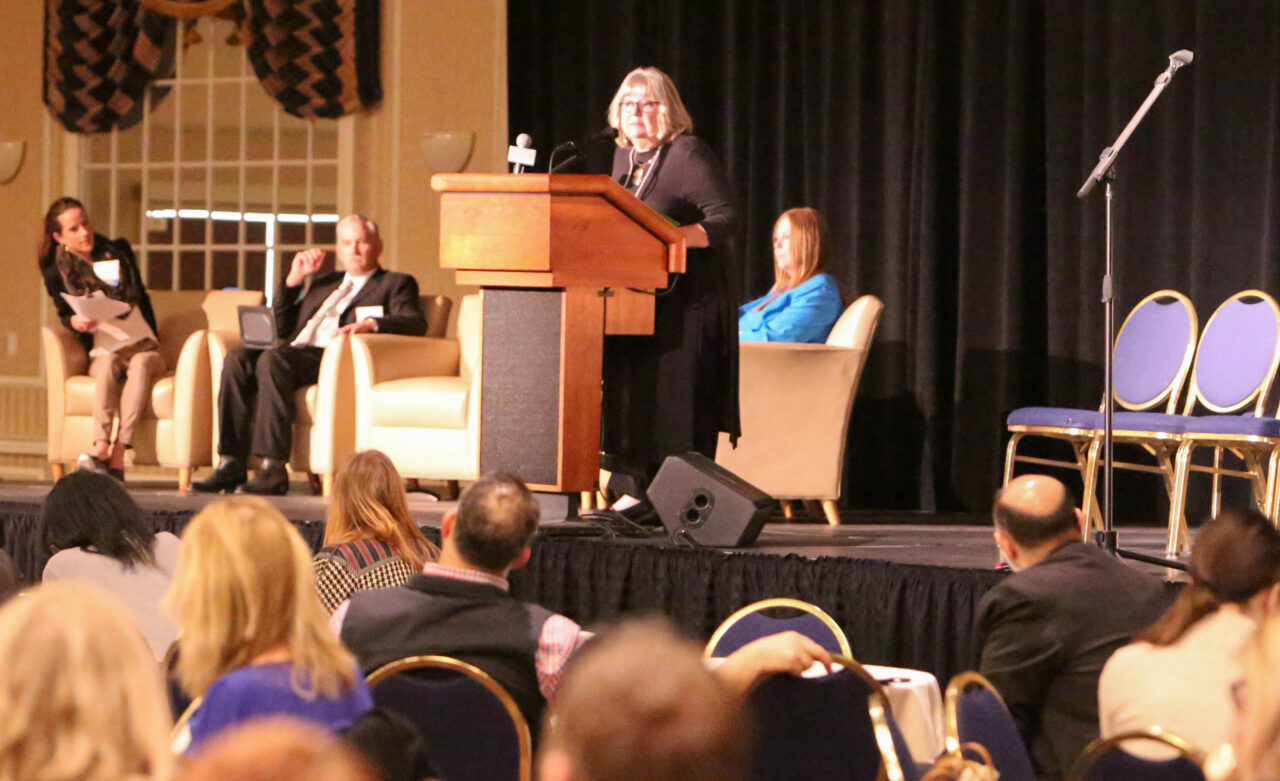
Recently, the Food Bank of Delaware gathered with partner agencies at Legislative Hall to shine a light on the growing impact of rising costs, economic uncertainty and reduced benefits on families across our state.
In Delaware and across the country, families are making impossible choices every day.
They are choosing between paying the electric bill or buying groceries. Between filling the gas tank to get to work or putting enough food on the table for their children. For many households, the rising cost of nearly everything – food, housing, utilities, fuel, health and child care, has stretched budgets beyond the breaking point.
At the Food Bank of Delaware, we see these struggles up close every single day.
Working families who never imagined they would need help are now seeking support simply to make ends meet. Seniors on fixed incomes are struggling to keep pace with rising prices. Parents are skipping meals so their children can eat. And many households that were already living paycheck to paycheck are now one unexpected expense away from crisis.
At the same time, many families are also facing reductions in critical nutrition assistance benefits like SNAP. For households already struggling with high grocery prices, even modest cuts to monthly benefits can mean the difference between stability and hunger. When families lose the ability to pay at the grocery store, community food pantries often become the place they turn to fill the gap.
While demand for food assistance continues to rise, the cost of providing that assistance is also increasing dramatically.
The same economic pressures affecting Delaware families are affecting organizations like ours too.
Fuel prices impact the cost of transporting food across the state. Freight costs continue to strain our supply chain. Food is more expensive than it was just a few months ago. Every pallet of canned goods, fresh produce or protein costs more to purchase, move and distribute.
We join food banks across the country as we face growing uncertainty around federal support. We have seen instability in the USDA commodity food market, creating additional strain and the need to purchase more food.
For organizations like ours, these rising costs create a difficult reality: it takes significantly more funding today to provide the same level of support to our neighbors.
And yet the need keeps growing.
Food insecurity does not always look the way people expect. It is often the childcare worker who cannot quite stretch his or her paycheck through the month. It is the senior deciding whether to buy medication or groceries. It is the family facing higher rent, higher utility bills and higher gas prices all at once. It is the worker commuting long distances because affordable housing is out of reach.
These are our neighbors. Increasingly, they are people who are employed, working hard and still struggling to afford basic necessities. Often referred to as the ALICE population; they are people that are Asset Limited, Income Constrained and Employed.
Too often, these families don’t qualify for assistance, but they also don’t earn enough to truly achieve stability. They are living paycheck to paycheck, one unexpected expense away from crisis.
Food banks were never intended to become a long-term substitute for a stable economy or strong safety net programs. But during times of uncertainty, we become part of the community’s emergency response system. And right now, many families are living in a constant state of financial emergency.
At the Food Bank of Delaware, we remain committed to serving our neighbors with dignity and respect. In addition to providing the food people need for today, we are also investing in long-term solutions through workforce development programs that help individuals build skills, secure employment and create brighter futures.
Addressing hunger is about more than food. It is about creating stability and opportunity. It’s about hope.
But we cannot do this work alone. The challenges facing our communities are real. But so is our collective ability to respond with kindness, generosity and action.
As more families struggle under the weight of rising costs, reduced benefits and economic uncertainty, the Food Bank of Delaware will continue to stand steady, ensuring that our neighbors know they are not alone.




Comments are closed here.