More Neighbors Turn to Claymont Community Center as the Cost of Living Climbs
August 14, 2026
On a hot July morning, the line at the Claymont Community Center Community Market stretched out the door.
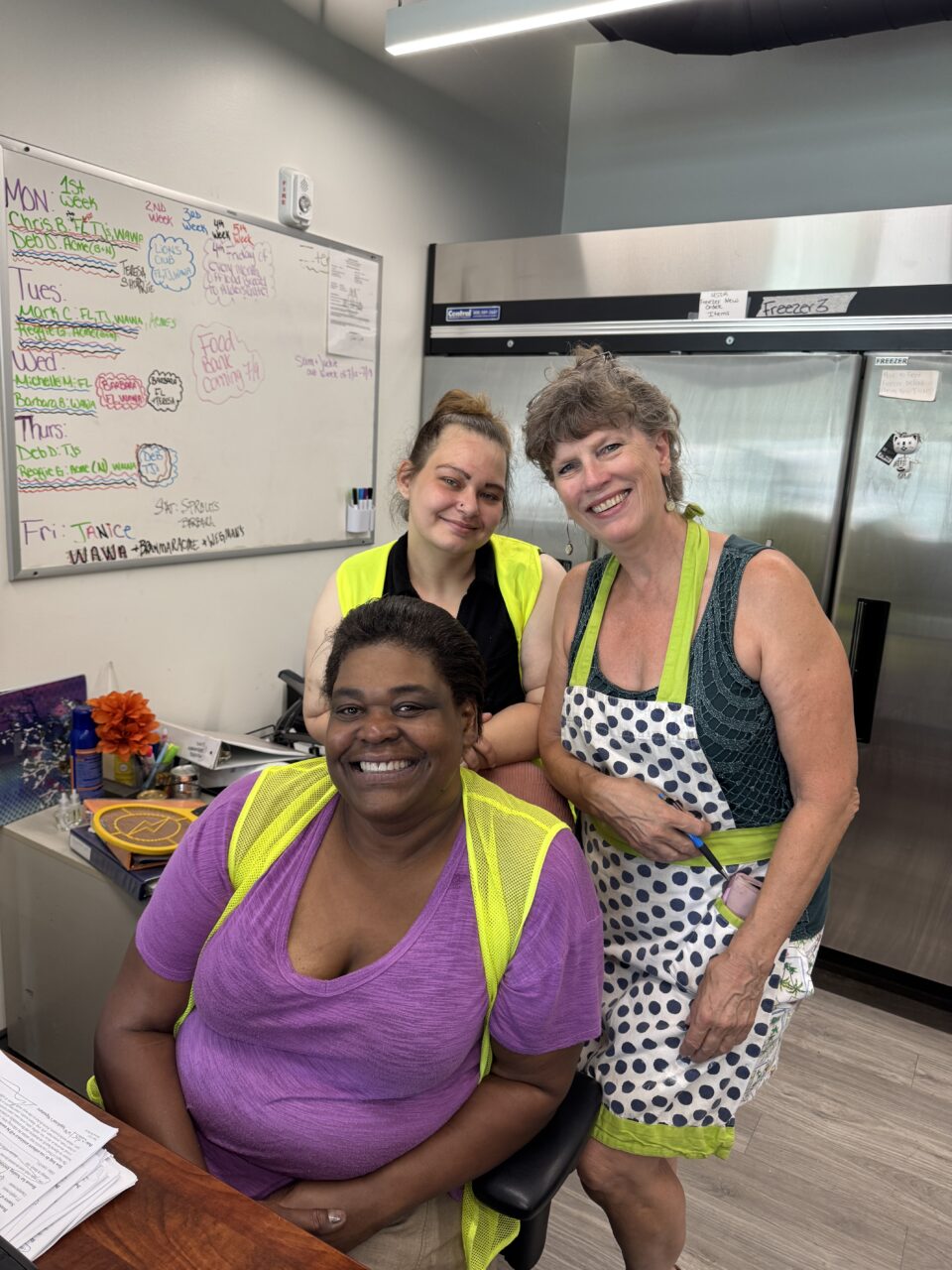
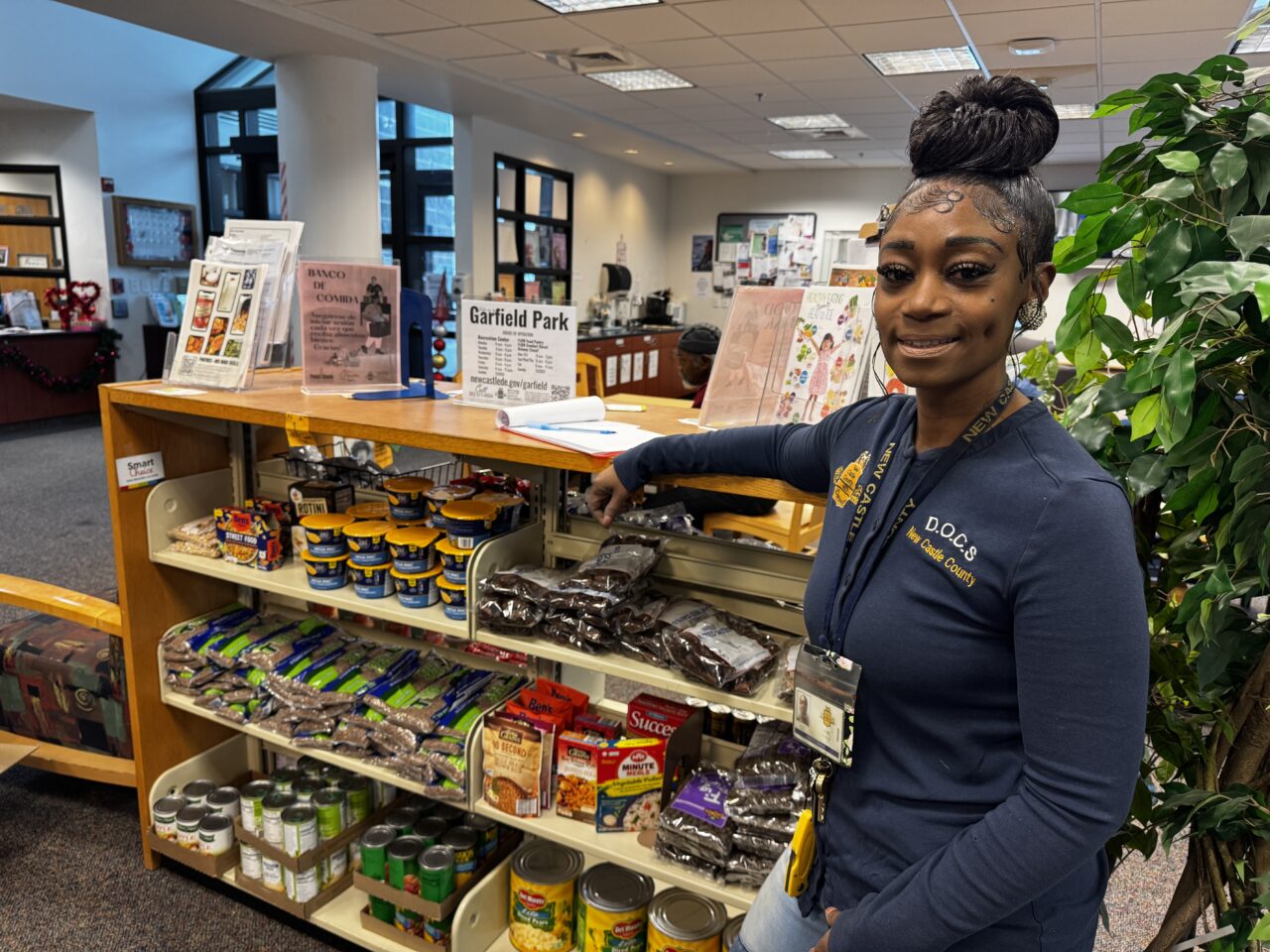
Inside, volunteers and staff moved quickly, stocking shelves, greeting neighbors and helping families select fresh produce, bread and other groceries. For Barbara Boese, who coordinates the pantry with a small team of staff and volunteers, busy mornings have become the norm.
The pantry is seeing more people, including many who have never needed charitable food assistance before, she explained.
“Flat wages and inflation are climbing, creating tension in the family budget,” Barbara said.
For households already stretching every dollar, there is little room left when the cost of food, electricity, housing and medication continues to rise.
One woman visiting the pantry put it simply: “I can’t even take $100 to the grocery store.”
She works in health care and does not receive SNAP benefits. She first learned about the Community Market when she brought one of her patients there for assistance. Now, she finds herself needing a little help, too.
“Everybody has to help each other,” she said.
A Changing Need
Barbara and her team are seeing the changing face of hunger firsthand.
There are seniors whose SNAP benefits have decreased after receiving small increases in Social Security income. Some neighbors are facing eviction or transportation challenges. Others are living in their cars. Some are still struggling with the long-term financial consequences of the COVID-19 pandemic.
Barbara has also seen people affected by changes to SNAP work requirements come to the pantry to volunteer.
For many neighbors, asking for help isn’t easy.
“At first I was embarrassed to come for help,” one woman shared.
Her husband is sick and underwent a full bypass. Getting disability assistance has been difficult, and the pantry has helped ease some of the pressure on their household.
“It’s hard,” she said. “The pantry is a big help.”
Others face unexpected setbacks that can quickly destabilize a household. One neighbor had EBT benefits stolen through skimming, leaving the family without money they were counting on for groceries.
For Sierra, one of the pantry workers, knowing the Community Market can provide some breathing room makes the work meaningful.
“I know it’s a relief for them,” she said. “It’s a blessing.”
More than a Bag of Groceries
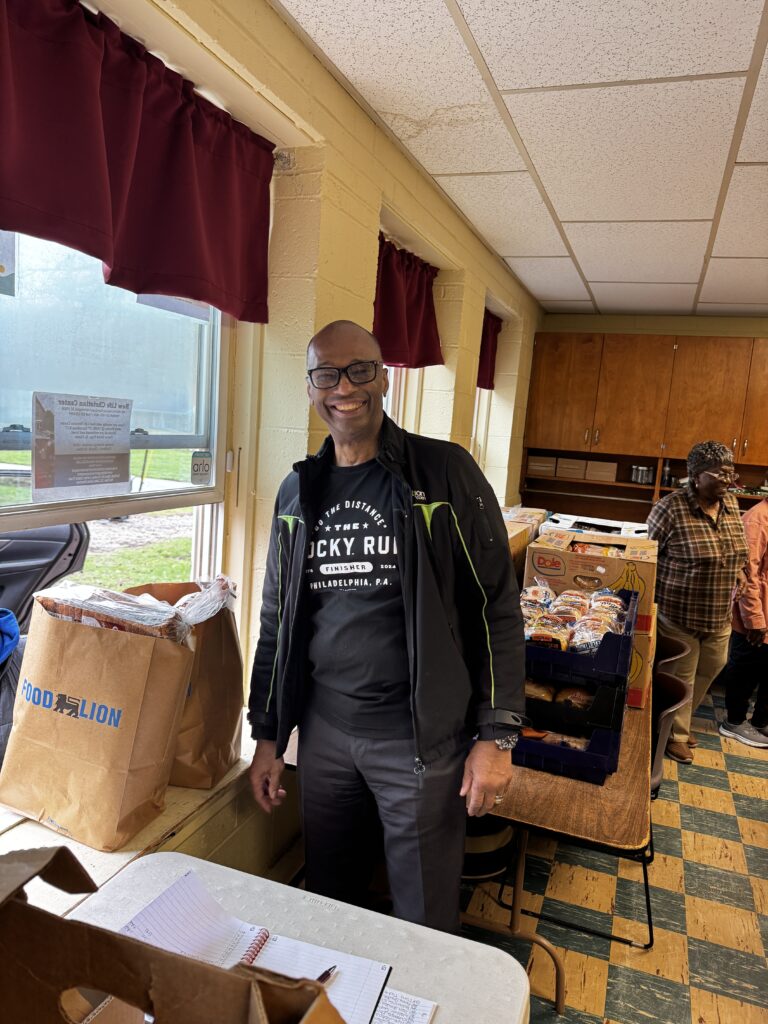
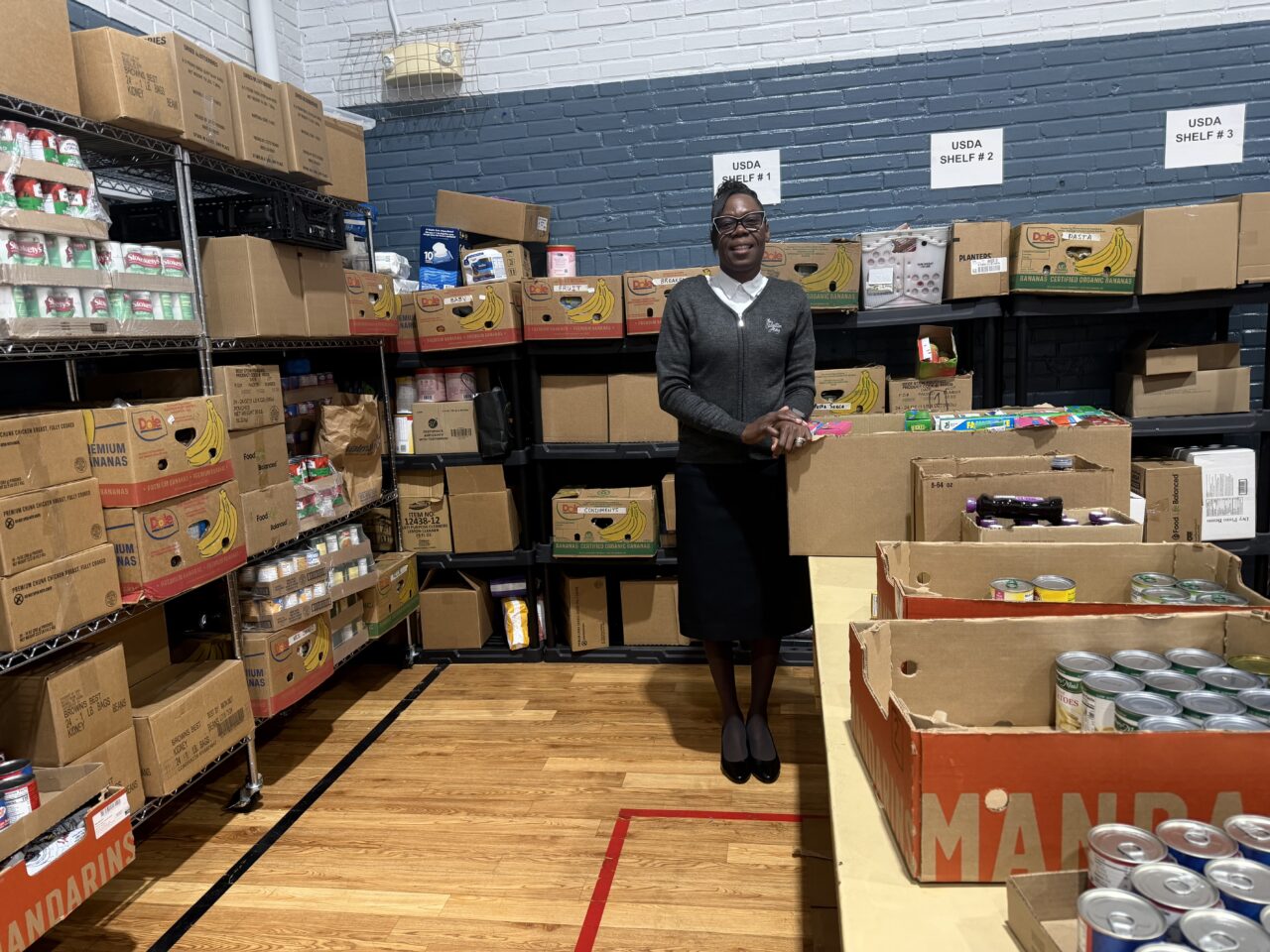
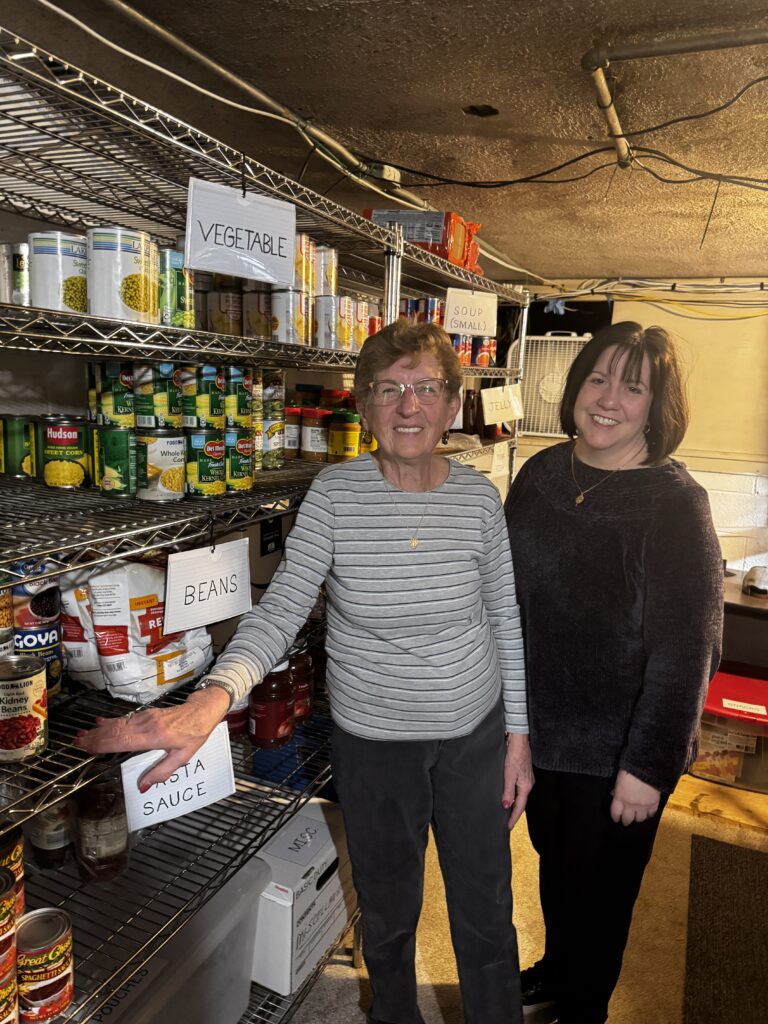
At the Community Market, neighbors are able to select the foods that work best for their households rather than receiving a prepacked box. Shelves are stocked with nonperishables, bread, fresh fruits, vegetables and other foods based on availability.
The choice-based model also creates opportunities for conversation.
Sierra remembers showing one woman how to cut a fresh avocado. Staff and volunteers share recipes and encourage neighbors to try fruits and vegetables they may not have prepared before.
Parents bring their children, and the kids often get excited about picking out their own fruit.
Those interactions are part of what makes the pantry special.
“We give out hugs,” Sierra said. “We give out a prayer.”
When someone needs more than food, Barbara and her team do what they can to connect them with additional help. When a woman experiencing domestic violence came to the pantry, Barbara helped connect her with resources and support.
Nora, who volunteers twice a week, also appreciates the relationships that form at the pantry. She enjoys interacting with neighbors and says the work is gratifying.
Some mornings, there are already 10 people waiting before the doors open. But regardless of how busy it gets, the goal is to make sure each person who walks through the door feels welcomed.
Growing Food and Community
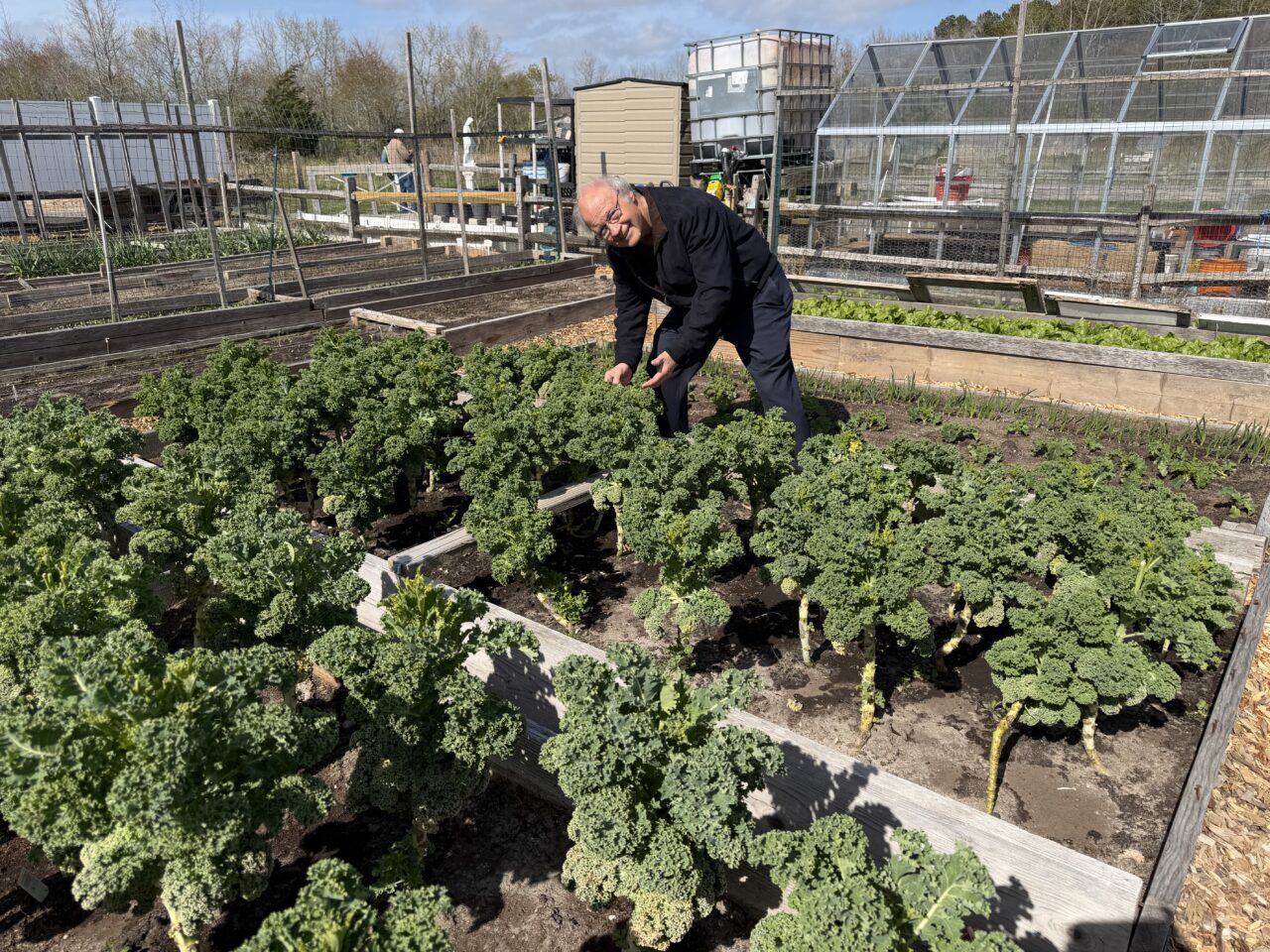
Fresh food is an important part of the Community Market, and some of it is grown just steps away.
The Claymont Community Center Community Market has a garden where produce is grown for the pantry. Community members can also rent garden bed space for a nominal cost, giving local residents an opportunity to grow their own food.
The garden complements donations from local grocery partners, which Barbara says have been critical as demand increases.
She is “thankful that grocery donors are meeting the need.”
But the growing line outside the pantry is also a reminder of how quickly household budgets are being stretched. A small increase in rent, an expensive prescription, a higher electric bill or a reduction in benefits can be enough to send a family looking for help.
Still, inside the Community Market, there is a strong sense that no one should have to navigate those challenges alone.
Food is the immediate need that brings people through the door. What they also find is a community ready to listen, offer support and remind them that asking for help is nothing to be ashamed of.
As one neighbor said while picking out groceries on that hot July day, “Everybody has to help each other.”